Choose Computer Recycling Houston for Computer Disposal
Key Perks of Reusing Electronics: Why You Should Not Discard Your Electronics
Electronics recycling brings numerous benefits that transcend beyond basic disposal. Many folks overlook the environmental damage caused by e-waste, which contains hazardous materials. Additionally, recycling can conserve valuable natural resources and create local jobs. It also allows a way to organize homes while potentially yielding financial returns. Understanding these advantages is important. What are the distinct impacts of conscientious recycling practices? The answers may surprise you.
The Ecological Effect of E-Waste
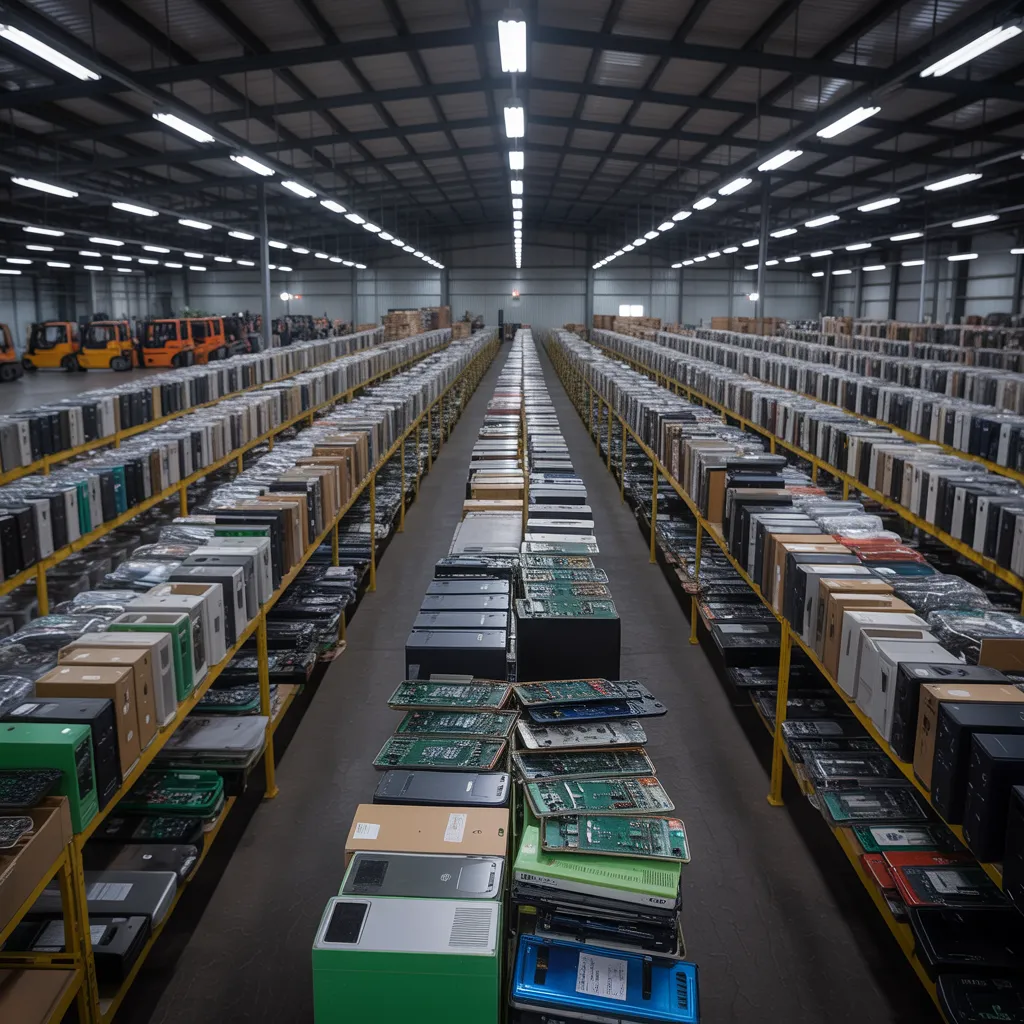
As electronic devices become increasingly essential to modern life, the issue of e-waste has surfaced as a major environmental concern. Abandoned electronics contribute to a growing global crisis, with millions of tons of e-waste generated annually. This waste often includes hazardous materials such as lead, mercury, and cadmium, which can seep into soil and water, posing serious health risks to ecosystems and communities.
Additionally, careless discarding of e-waste intensifies pollution and exhausts valuable resources. Landfills packed with electronics can discharge dangerous vapors, while the resource-heavy procedures required for manufacturing new devices contribute to increased carbon emissions.
The accumulation of e-waste not just threatens biodiversity but also impacts air and water purity. As the digital age continues to expand, tackling the environmental impact of e-waste through responsible recycling and disposal will be essential in mitigating these detrimental effects on the planet.
The Way Electronics Recovery Saves Natural Resources
A significant volume of important materials can be reclaimed through electronic recycling, making it an essential practice for safeguarding natural resources. Electronic devices contain valuable metals such as gold, silver, and copper, which can be extracted and reused, lowering the need for new mining operations. Mining is often energy-intensive and destructive to ecosystems, leading to deforestation and pollution.
By recycling electronics, the demand virgin materials decreases, conserving water, energy, and other resources required in extraction and processing. Additionally, recycling prevents hazardous substances found in e-waste, like lead and mercury, from entering the environment.
This framework not only mitigates environmental damage but also advances responsible stewardship of resources. Ultimately, electronics recycling proves invaluable in instituting a cyclical economic structure, where substances are reused and transformed rather than eliminated, thereby confirming that Earth's resources are preserved for future generations.
Local Neighborhoods Gain Benefits from Electronic Waste Recycling
Electronics recycling produces worthwhile advantages for local communities by opening new employment opportunities in the green sector. In addition, it reduces environmental harm, encouraging cleaner and healthier living conditions. These positive effects nurture a sense of collective environmental duty and long-term environmental stewardship.
Job Expansion Openings
Transitioning discarded electronics into prized resources produces notable job possibilities within area-based communities. Electronics recycling facilities necessitate a diverse workers to direct the assembly, arranging, and processing of obsolete electronics. This sector not only opens slots in processing hubs but also enables ancillary openings in distribution networks, transportation, and vending of renewed products. Local fiscal systems advance from the influx of occupation, instrumental to public endurance and expansion. Additionally, capacity building initiatives often originate alongside these initiatives, furnishing individuals with skills in technical fields and environmental management. As communities adopt recycling efforts, the likelihood for job creation becomes a compelling motivation for individuals to commit to ethical waste management practices, ultimately fostering a more sustainable and commercially prosperous environment.
Cutting Environmental Consequences
The process of recycling e-waste significantly reduces harm to the environment, encouraging cleaner communities. Properly handling e-waste blocks hazardous compounds, such as lead and mercury, from contaminating the soil and water reservoirs. Electronics recycling helps recover precious materials like metals and plastics, which are then repurposed, lessening the need for fresh raw materials. Such a process decreases energy use and greenhouse gas emissions related to the production of new goods. Local communities also experience better public health because harmful substances are prevented from reaching landfills. By promoting responsible recycling initiatives, neighborhoods can enhance their environmental quality, resulting in a sustainable future. Ultimately, electronics recycling strengthens community resilience while safeguarding natural ecosystems for generations to come.
Why Electronics Recycling Helps You Tidy Up Your Home
Recycling electronics offers a practical approach for individuals wanting to clear out unused devices. By responsibly disposing of outdated gadgets, one can generate valuable space in their home. This process not only reduces clutter but also promotes a cleaner living environment.
Remove Dormant Hardware
Getting rid of excess devices can significantly reduce clutter in a home and reference establish a more organized living environment. Many households gather aged electronics, such as old phones, laptops, and gaming consoles, which consume limited space. By recycling these items, individuals can streamline their living areas, making it easier to find essential tools and enjoy a tidier atmosphere. Additionally, this practice not only improves personal organization but also encourages responsible disposal of hazardous materials present in electronics. Engaging in electronics recycling guarantees that these devices are processed properly, preventing possible harm to the environment. Ultimately, clearing out unused gadgets fosters a sense of accomplishment and supports a more minimalist lifestyle, enhancing overall well-being.
Build More Area
Shifting a messy space into an ordered sanctuary begins with the thoughtful disposal of outdated equipment. Countless households gather aging gadgets that not only occupy valuable room but also generate a chaotic setting. By taking part in electronics recycling, folks can effectively regain this room and nurture a more calm atmosphere. Salvaged electronics are commonly separated, permitting the recovery of materials that can be repurposed, thereby avoiding junk from ending up in landfills. This process not only relieves unwanted clutter but also offers peace of mind, knowing that the devices are being handled conscientiously. Ultimately, device recycling establishes a more systematic home while championing environmental responsibility, making it a win-win solution for both dwellers and the planet.
Monetary Gains from Electronics Waste Recovery
Discarding electronic devices yields substantial financial advantages to both consumers and businesses.
For businesses, electronics reclamation can provide monetary advantages by reducing waste handling costs and minimizing landfill taxes. Besides, entities committed to green practices can elevate their brand reputation, engaging environmentally conscious consumers.
Additionally, recovered materials from discarded devices, such as metals and plastics, can be repurposed, contributing to lower production costs in new devices. This not only creates income for recycling firms but also promotes a circular economy, ultimately helping the broader community. By embracing electronics recycling, both individuals and businesses can achieve tangible financial savings while supporting environmental sustainability.
Discover How to Responsibly Dispose of Your Old Electronics the Proper Way?
Properly disposing of old electronics demands thoughtful planning to guarantee both ecological protection and compliance with regulations. People should begin by identifying local e-waste recycling programs, which frequently provide specific collection sites or collection events. Numerous municipalities and retailers offer secure recycling solutions for old gadgets.
It is crucial to store any personal data and initiate a factory reset on electronics before recycling to protect privacy. Moreover, removing batteries from electronics is necessary, as they demand separate handling due to their dangerous components.
Furthermore, people should refrain from putting electronics in standard garbage containers, as this can contribute to landfill waste and environmental contamination. Researching qualified electronic waste recycling companies is recommended, as these organizations adhere to correct protocols to ensure responsible recycling. By implementing these measures, individuals can help create a environmentally friendly tomorrow while ensuring that their old electronics are disposed of responsibly.
Common Myths About Electronics Recycling Debunked
What are some common false beliefs regarding the practice of electronics recycling? Many people falsely assume that all electronic gadgets undergo recycling similarly. In reality, recycling techniques vary greatly based on the category of equipment and substances involved. Another prevalent myth suggests electronics recycling is not environmentally beneficial. Proper recycling, in fact, prevents harmful materials from contaminating landfills and recovers valuable resources. Some individuals believe recycling is too complicated, yet many facilities provide easy drop-off or pickup services. Additionally, a prevalent belief is that only outdated or broken devices should be recycled. However, even operational devices can be refurbished and utilized again, lengthening their lifecycle. Lastly, many people believe electronics recycling is expensive. Recycling programs are frequently free and sometimes provide incentives. Correcting these misconceptions supports responsible disposal and encourages more people to engage in electronics recycling.
Popular Inquired Questions
Which Categories of Electronic Equipment Are Able to be Recycled?
You can recycle various electronics, including smartphones, computers, televisions, printers, and tablets. Also, peripherals like keyboards, mice, and chargers are allowed, which helps reduce waste and recover valuable materials for reuse in new products.
Do Fees Necessary to Recycle Electronics?
Recycling electronics fees can vary. Some facilities charge a nominal fee for specific items, while others offer complimentary options. It is wise to contact nearby recycling facilities for their specific terms and conditions.
Could I Hand Over My Old Electronics Instead?
Yes, aged devices can often be presented to nonprofits, schools, or community initiatives. Many organizations welcome functioning devices, offering a second life for gadgets while benefiting those in want, thereby fostering sustainability and community support.
How Do I Confirm My Data Is Properly Erased?
To guarantee data is wiped, one must use programs intended for confidential data destruction, conduct a factory reset, or permanently damage the storage device. Each method verifies that confidential data remains inaccessible to others.
What Becomes to Recycled Electronics?
Recycled electronics undergo separation, where precious materials are obtained. Components including metals, plastics, and glass are arranged for recycling, minimizing landfill accumulation and boosting responsible material reuse while lessening ecological consequences and safeguarding natural resources.